
Introduction to Amish White Bread
If you've ever thought about making your own bread, you might wonder why bother when there are so many options at the store. Well, homemade bread has a way of elevating your meals and bringing warmth to your home. Imagine pulling lush, golden loaves from the oven, their aroma filling the air—it's an experience that store-bought bread can't replicate. Plus, when you bake at home, you can control what goes into your bread, making it a healthier choice for you and your loved ones.
Among the many delicious options for homemade bread, Amish White Bread stands out for its simplicity and comfort. Its soft, fluffy texture is perfect for sandwiches, toast, or simply slathered with butter. This recipe, passed down through generations, embodies the spirit of Amish cooking—nourishing, satisfying, and made with love.
To kickstart your baking journey, you don't need any fancy tools or intricate techniques. Just a few basic ingredients and a little patience, and you'll wind up with not one, but two delightful loaves to savor. Whether you enjoy it fresh out of the oven or save some for later, making Amish White Bread is a rewarding endeavor that adds a personal touch to your kitchen. So, why not give it a try? Your taste buds will thank you!
For more on bread-making techniques, check out King Arthur Baking.
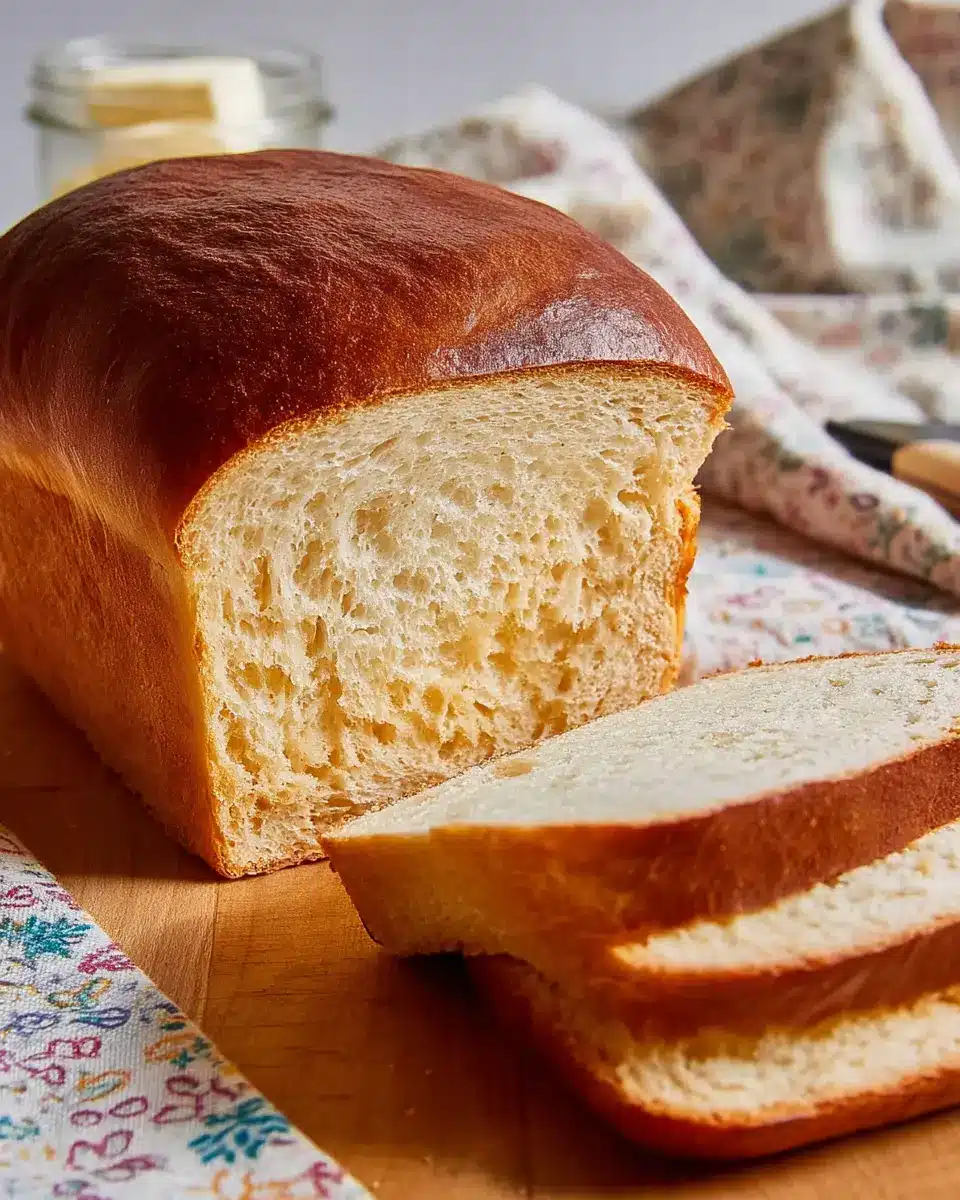
Ingredients for Amish White Bread
Essential ingredients for a perfect loaf
When it comes to making the perfect loaf of Amish White Bread, gathering the right ingredients is crucial. This recipe is straightforward and requires just a handful of items you might already have in your pantry. Here's what you'll need:
- Warm Water: 2 cups at about 110 degrees F (45 degrees C) to activate the yeast efficiently.
- White Sugar: ⅔ cup to give the bread a subtle sweetness and help with fermentation.
- Active Dry Yeast: 1 ½ tablespoons that will act as the leavening agent to make the bread rise perfectly.
- Vegetable Oil: ¼ cup to add moisture and tenderness to the bread.
- Salt: 1 ½ teaspoons for flavor and to strengthen the dough.
- Bread Flour: 6 cups, the backbone of your loaf, providing the right texture and structure.
With these simple yet essential ingredients, you’re well on your way to baking your own delightful Amish White Bread. Trust me, the aroma and warmth that fill your kitchen will be worth every moment. For more tips on baking bread at home, check out King Arthur Baking.
Step-by-step Preparation of Amish White Bread
Making your own bread at home can be one of the most satisfying kitchen experiences, and this Amish White Bread recipe is as simple as it is delicious. Let’s walk through each step!
Gather your ingredients
First, you need to assemble your ingredients. Here’s what you’ll need:
- 2 cups warm water (about 110 degrees F)
- ⅔ cup white sugar
- 1 ½ tablespoons active dry yeast
- ¼ cup vegetable oil
- 1 ½ teaspoons salt
- 6 cups bread flour
Having everything ready before you start will make the process go much smoother. It’s a good idea to set out measuring cups and spoons, too, so you can easily scoop and pour.
Activate the yeast
In a large mixing bowl, combine the warm water with the sugar. Stir until the sugar dissolves, then gently mix in the yeast. Now, it’s time for the magic to happen! Allow the mixture to sit for about 5 to 10 minutes until it forms a creamy foam. This step is critical because it ensures your yeast is alive and can leaven the bread effectively. If the yeast doesn't foam, it may be inactive, so you might need to start over with fresher ingredients.
Combine the ingredients
Once your yeast is activated, add the vegetable oil and salt to the mixture. Gradually incorporate the bread flour, one cup at a time, while mixing. It’s easiest to use a wooden spoon or a stand mixer with a dough hook. This part of the process builds the structure of your Amish White Bread, so take your time to mix well.
Knead the dough
With your dough combined into a ball, it’s time to knead. Dust your countertop with a bit of flour and turn the dough out. Knead it for about 8 to 10 minutes until it’s smooth and elastic. You’ll know it’s ready when it springs back after being pressed. Kneading is important as it develops gluten, giving your bread its delightful texture.
Let it rise
Place the dough in a well-oiled bowl, turning it so it’s coated in oil. Cover it with a damp cloth and let it rise in a warm spot for about an hour, or until it’s doubled in size. This step is crucial because it allows the yeast to ferment and creates air pockets in your bread, making it light and fluffy.
Shape the loaves
After the dough has risen, punch it down gently to release the air. Knead it for a few minutes again and then divide it in half. Shape each half into loaves and place them into well-oiled 9x5-inch loaf pans. This shaping gives your bread its beautiful structure.
Second rise and bake
Now it’s time for the second rise! Allow the loaves to rise for about 30 minutes, or until they’ve risen about an inch above the edge of the pans. Preheat your oven to 350 degrees F during this time. Once the loaves have risen, pop them in the oven and bake for about 30 minutes until they’re golden brown. Your kitchen will smell divine!
In just a couple of hours, you’ll have two beautiful loaves of Amish White Bread to enjoy. Perfect for sandwiches, toast, or simply slathered in butter! If you're on the lookout for more baking tips, consider checking out resources from expert bakers like King Arthur Baking for even more inspiration.
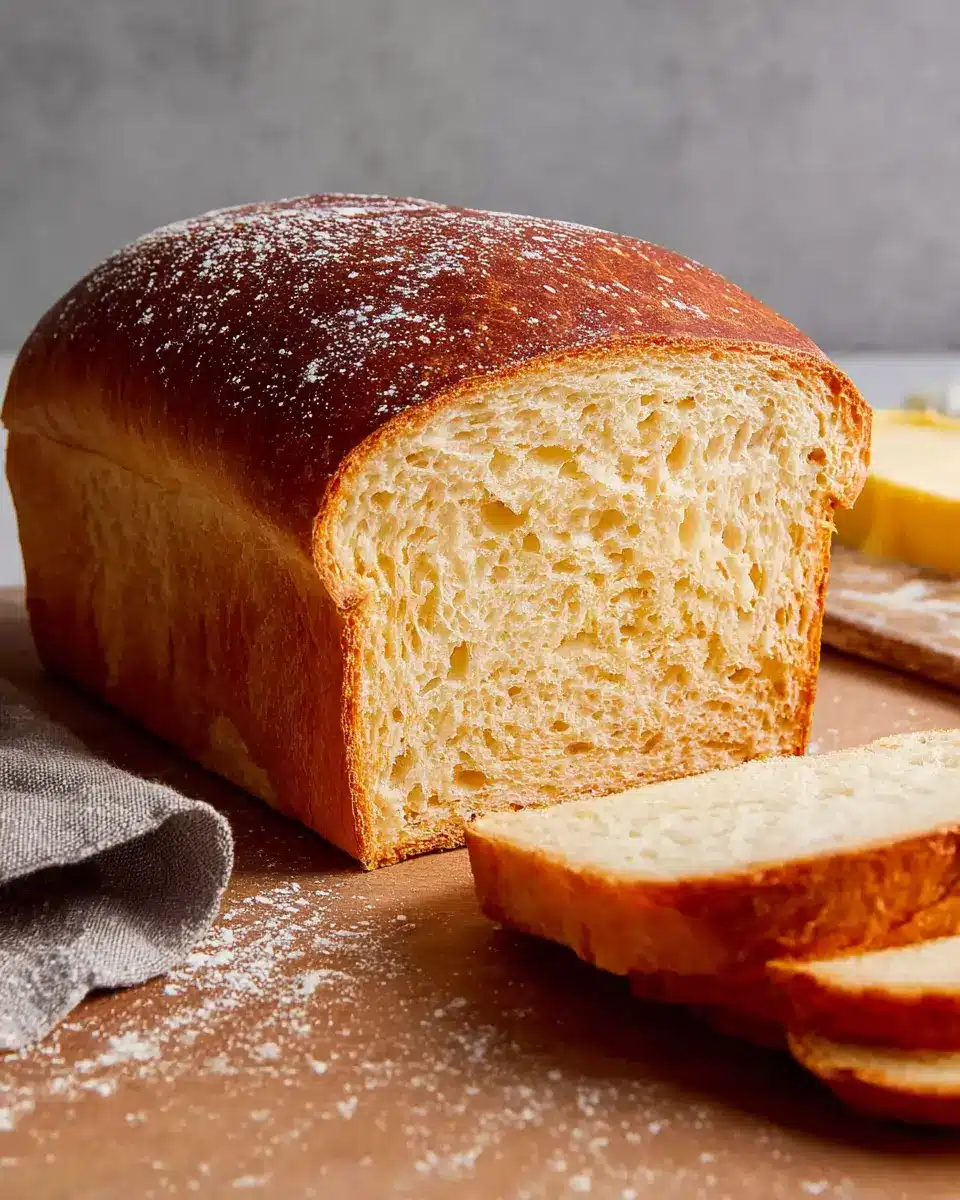
Variations on Amish White Bread
How to customize your bread
The beauty of Amish White Bread lies in its versatility. Feel free to experiment with the flour! Substitute part of the bread flour with whole wheat or add a blend of your favorite grains. Also, adjusting the sugar can give you a slightly different flavor profile. For a lighter loaf, try reducing the sugar to a half-cup.
Fun add-ins for flavor
Want to take your Amish White Bread to the next level? Consider adding in some mix-ins for an extra flavor punch. Here are a few ideas:
- Herbs: Rosemary or thyme can add a fragrant touch.
- Seeds: Flaxseed or sunflower seeds provide crunch and nutrition.
- Crushed garlic: For a savory twist.
- Dried fruits: Raisins or cranberries lend a delightful sweetness.
These fun variations will keep your baking fresh and exciting! For more ideas, check out Baker's Journal for tips on custom bread recipes.
Cooking Tips and Notes for Amish White Bread
Common pitfalls and how to avoid them
Making Amish White Bread is simple, but a few common mistakes can impact your results.
-
Yeast activation: Ensure your water is warm (110°F) but not too hot, as it can kill the yeast. A good rule of thumb? If it feels comfortably warm to touch, you're good to go.
-
Flour measurement: Cups can vary, so it's ideal to spoon the flour into your measuring cup and level it off for the right amount. Too much flour can lead to a dense loaf.
-
Rising times: Patience is key! If your dough isn’t rising, ensure it’s in a warm environment free of drafts. A slightly turned-off oven works wonders as a rising box.
For more baking tips, check out King Arthur Baking. Enjoy the journey of crafting your homemade Amish White Bread!
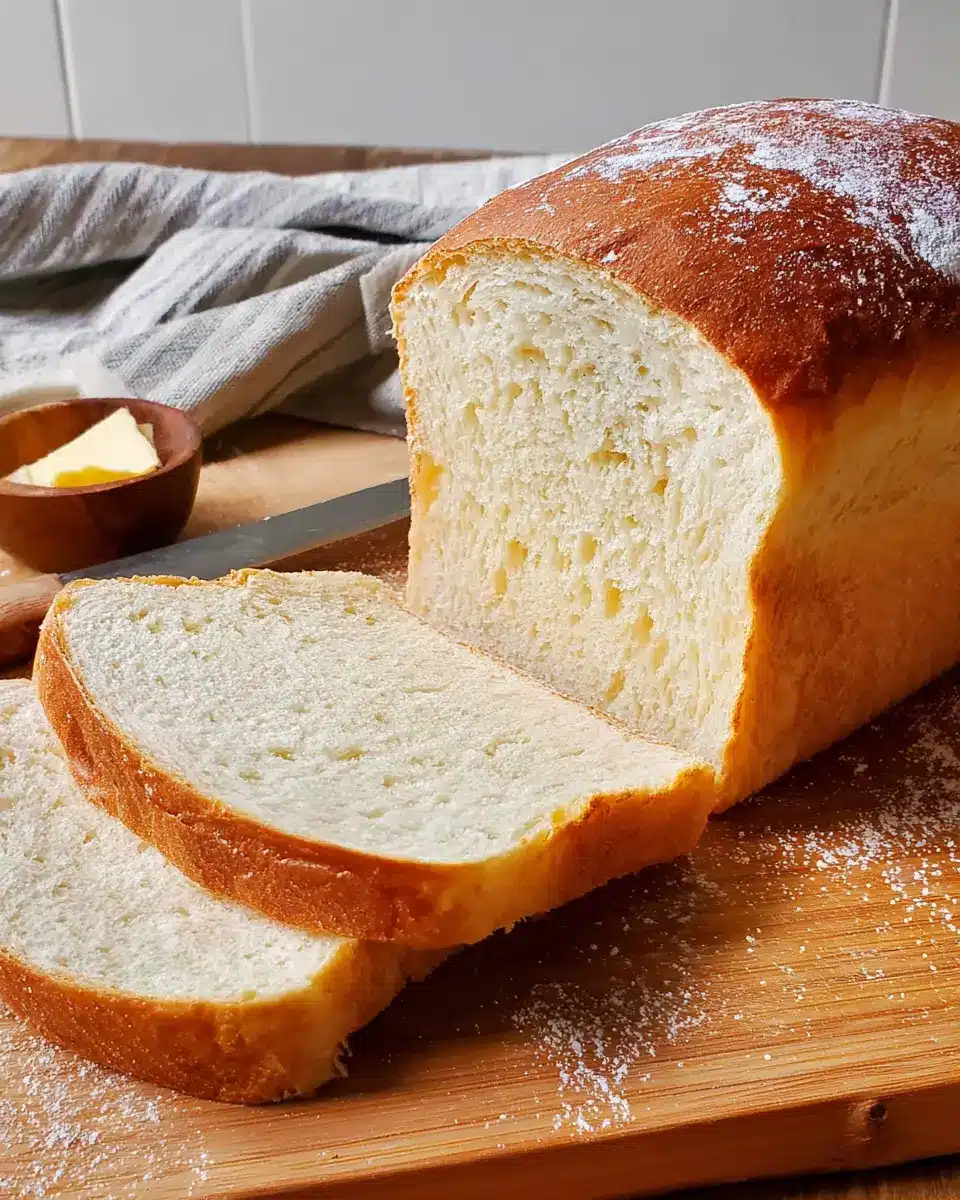
Serving Suggestions for Amish White Bread
Best companions for your fresh bread
If you're wondering what to pair with your Amish White Bread, you'll be delighted by the versatility it offers. Here are some delicious ideas that will elevate your bread experience:
-
Spread: Top a warm slice with butter or homemade jam for a simple yet satisfying treat.
-
Sandwiches: Craft hearty sandwiches with Turkey Bacon or Chicken Ham, fresh veggies, and your favorite condiments for a quick lunch.
-
Soups and Stews: Use your bread to soak up the flavors of a rich, homemade vegetable soup or beef stew.
-
Toast: Slice and toast your bread to enjoy with avocado and a sprinkle of salt.
Each of these options highlights the warmth and comfort that Amish White Bread brings to your table! What’s your favorite way to enjoy it?
Time Breakdown for Amish White Bread
When you're ready to whip up some delicious Amish White Bread, understanding the time commitment can help you plan your baking adventure better. Here’s a quick breakdown:
Preparation Time
Plan for about 20 minutes to gather ingredients, mix your dough, and get everything ready for the first rise.
Baking Time
Once your loaves have risen to perfection, they bake for approximately 30 minutes.
Total Time
All in all, you’re looking at a comfortable 2 hours and 25 minutes from start to finish, including rising time. With a little patience, you’ll have two luscious loaves of homemade bread to enjoy!
For more tips on bread-making, check out King Arthur Baking for expert advice and techniques. Happy baking!
Nutritional Facts for Amish White Bread
Calories per slice
Each slice of Amish White Bread packs about 168 calories, making it a comforting yet manageable treat for your meal. If you’re watching your calorie intake, this bread can be easily incorporated into a balanced diet.
Key nutrients
Beyond just calories, here are the key nutrients you can expect per slice:
- Total Fat: 3g (Saturated Fat: 0g)
- Sodium: 147mg
- Total Carbohydrates: 31g
- Dietary Fiber: 1g
- Total Sugars: 6g
- Protein: 4g
- Calcium: 6mg
- Iron: 2mg
- Potassium: 50mg
This nutrient profile supports your daily energy needs while adding a delightful flavor to any meal. For more detailed nutritional insights, check out resources like the USDA FoodData Central.
Whether you enjoy it toasted with a bit of butter or as a base for a delicious sandwich, Amish White Bread not only satisfies your cravings but also provides essential nutrients that contribute to a well-rounded diet. Happy baking!
FAQs about Amish White Bread
What can I do if my bread doesn’t rise?
If your Amish White Bread doesn’t rise, don’t panic! This can happen for several reasons. First, check the freshness of your yeast; expired yeast can hinder the rising process. Make sure your water is warm but not too hot (ideal temperature is around 110°F). If you find that your dough isn’t rising, you might try placing it in a warmer environment or giving it more time. Sometimes, bread just needs a little extra love!
Can I freeze Amish white bread?
Absolutely! Freezing is a great way to preserve your homemade bread. Once it has completely cooled, wrap each loaf in plastic wrap or aluminum foil, then place it in a freezer bag. Properly stored, it can last up to three months. To enjoy, simply thaw at room temperature or pop it in the oven for a few minutes to regain that fresh-baked taste.
How do I store homemade bread for freshness?
To keep your Amish White Bread fresh, store it at room temperature in a breadbox or an airtight container. Avoid refrigeration, as this can dry out the bread. For optimal freshness, try to consume it within a few days, or slice and freeze any leftovers as mentioned above. Happy baking!
Conclusion on Amish White Bread
Baking your own Amish White Bread brings a unique joy that store-bought can't replicate. The aroma of freshly baked bread fills your kitchen, creating a cozy atmosphere. Plus, the satisfaction of sharing warm, homemade loaves with friends and family is truly fulfilling. Embrace this delightful experience and enjoy every slice!
The Joy of Baking Your Own Bread
There's something magical about the process of making your own bread. From mixing and kneading the dough to watching it rise, each step is a rewarding journey. It connects you to traditions and allows for creativity in the kitchen. Whether you're slicing it for a sandwich or toasting it for breakfast, every bite reflects the love and care poured into it.
Why not add your twist to this classic recipe? Consider incorporating herbs, seeds, or even dried fruits for variations that suit your tastes. The possibilities are endless, making each loaf a unique masterpiece.
For more baking inspiration, check out resources like King Arthur Baking and The Bread Bakers Guild to elevate your bread-making game.
Happy baking!

Amish White Bread
Equipment
- large bowl
- 9x5-inch loaf pans
- Oven
Ingredients
- 2 cups warm water 110 degrees F/45 degrees C
- ⅔ cup white sugar
- 1 ½ tablespoons active dry yeast
- ¼ cup vegetable oil
- 1 ½ teaspoons salt
- 6 cups bread flour
Instructions
- Gather all ingredients.
- Dissolve sugar in warm water in a large bowl, and then stir in yeast. Allow to proof until yeast resembles a creamy foam, 5 to 10 minutes.
- Mix oil and salt into the yeast. Mix in flour one cup at a time.
- Knead dough on a lightly floured surface until smooth.
- Place in a well-oiled bowl, and turn dough to coat. Cover with a damp cloth. Allow to rise until doubled in bulk, about 1 hour.
- Punch dough down.
- Knead for a few minutes, and divide in half. Shape into loaves, and place into two well-oiled 9x5-inch loaf pans.
- Allow to rise until dough has topped the pans by one inch, about 30 minutes.
- Meanwhile, preheat the oven to 350 degrees F (175 degrees C).
- Bake the risen loaves in the preheated oven until golden brown for 30 minutes.
- Enjoy!




Leave a Reply