
Introduction to Sautéed Vegetables
Why Sautéed Vegetables Are a Game-Changer for Young Professionals
In today's fast-paced world, finding ways to eat healthily while juggling hectic schedules can feel overwhelming. Enter sautéed vegetables! This simple cooking method not only packs your plate with vibrant, colorful veggies but also can save you time and effort in meal prep. In just 20 minutes, you can whip up a delicious side or main dish that’s brimming with nutrients.
Sautéing helps preserve the natural flavors and crunch of vegetables, making them more appealing to even the pickiest of eaters. This technique also allows you to experiment with seasonal produce, turning whatever you have on hand into a savory delight. Need to boost your intake of vitamins and minerals? Incorporating a variety of vegetables such as broccoli, bell peppers, and zucchini can easily elevate any meal.
What’s more, sautéed vegetables are incredibly versatile; whether tossed with whole grains for a hearty lunch or served alongside grilled chicken for dinner, the possibilities are endless. For more tips on healthy eating, check out this article on Food & Nutrition that emphasizes the importance of incorporating vegetables into your diet. So let’s dive into the world of sautéed vegetables and discover how effortless and enjoyable they can be!
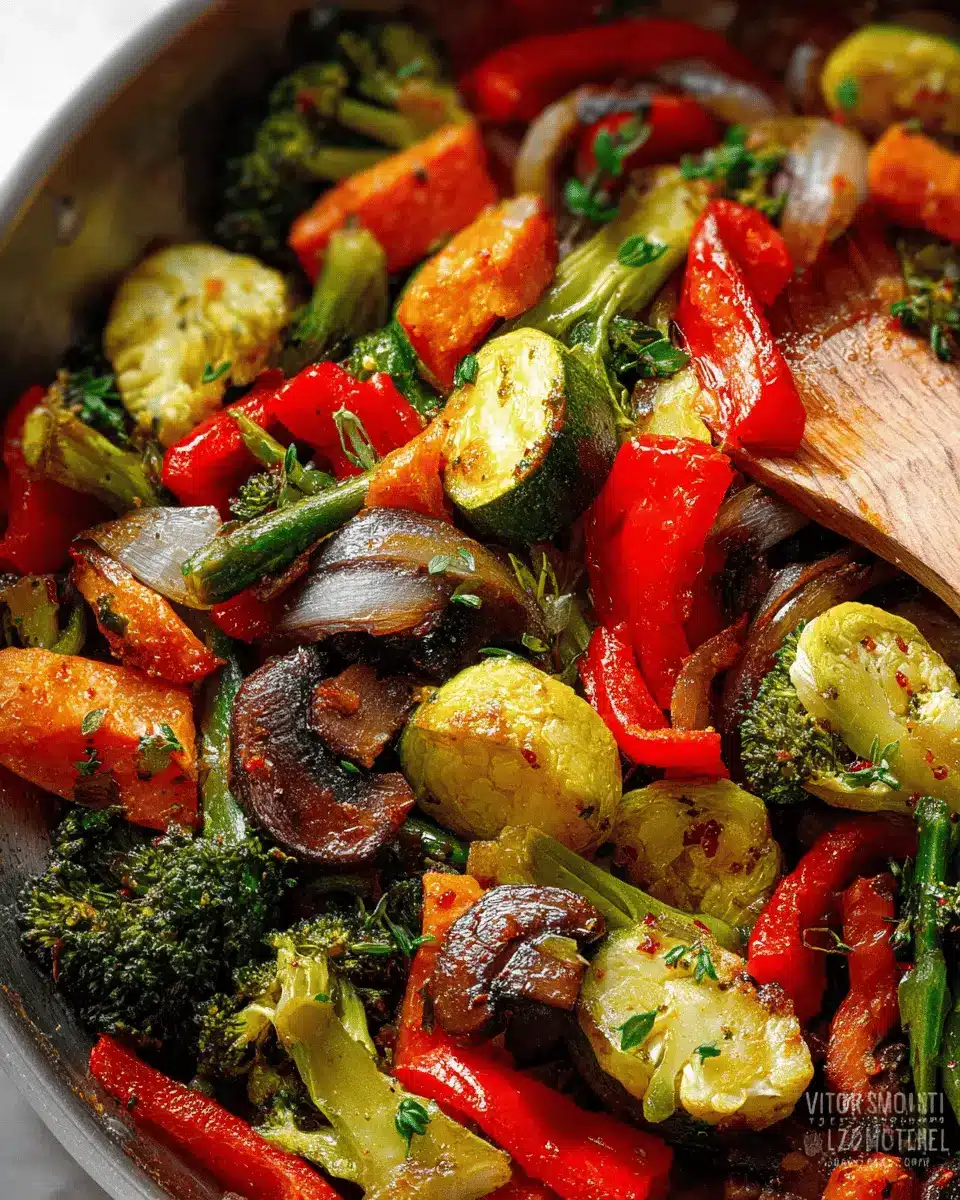
Ingredients for Sautéed Vegetables
Essential ingredients needed for a basic sautéed vegetable recipe
To create the perfect sautéed vegetables, start with these fundamental ingredients that will serve as the backbone of your dish:
- Olive oil: This is your starting point for a deliciously infused flavor.
- Red onion: Provides a sweet, aromatic base.
- Carrots: Their natural sweetness adds depth.
- Red bell pepper: For a vibrant color and crunch.
- Broccoli: This essential veggie contributes both texture and nutrients.
- Cauliflower: Delivers earthiness and complements other flavors.
- Cremini mushrooms: These mushrooms add umami richness.
- Zucchini: A tender veggie that balances the dish.
- Garlic: A must-have ingredient for that rich aroma and flavor boost.
- Salt and pepper: Essential for seasoning to taste.
Optional ingredients to customize your dish
Feel free to get creative! Here are some optional ingredients that can enhance your sautéed vegetables:
- Other colored bell peppers: Mix in green or yellow for variety.
- Spinach or kale: A great way to sneak in more greens!
- Herbs and spices: Add in fresh herbs like parsley or thyme for an aromatic touch.
- Protein options: Consider adding tofu, chicken ham, or turkey bacon for a hearty meal.
- Lemon juice or balsamic vinegar: These can introduce a zesty kick to your mix.
Remember, the beauty of sautéed vegetables lies in their versatility—mix and match to suit your palate!
Step-by-step Preparation of Sautéed Vegetables
Sautéed vegetables are a quick and delightful way to pack your meal with flavor and nutrients. Follow these easy steps for the perfect sauté that brings out the best in your veggies!
Gather and prepare your ingredients
Start with some fresh, colorful vegetables that catch your eye at the grocery store! Aim for a mix of textures and colors to keep things exciting. Here’s a typical lineup:
- Root vegetables: carrots, beets (if you're feeling adventurous)
- Cruciferous options: broccoli, cauliflower
- Flexible choices: bell peppers, zucchini, and mushrooms
Chop your veggies into uniform sizes to ensure even cooking. This little preparation makes a massive difference in achieving that perfect tender-crisp texture!
Heat the oil for the perfect sauté
Next, grab a large skillet or sauté pan and heat 2 tablespoons of olive oil over medium-high heat. Wait until the oil shimmers before adding your vegetables. This step is crucial! If your oil isn't hot enough, the vegetables may steam instead of sauté, missing out on those delicious caramelized flavors. Need an oil recommendation? Explore options like avocado oil for a different flavor profile!
Cook root vegetables to begin with
Start with your denser, root vegetables—think carrots and onions. Toss them into the hot oil and let them cook for about 5-7 minutes, stirring occasionally. These sturdy veggies need a little extra time to soften up and release their natural sweetness.
Add softer vegetables for balance
Once your root vegetables are on their way to being perfectly tender, it's time to introduce what I like to call the softer crew: bell peppers, broccoli, mushrooms, and zucchini. Stir these in and let them cook for another 6-8 minutes. Just a tip: to keep your zucchini crisp, you can add it a few minutes later than the others.
Introduce aromatics and seasonings
Here's where the magic happens—lower the heat slightly and push your veggies to the sides of the pan. In the middle, add 2 tablespoons of unsalted butter and let it melt, followed by 2 cloves of minced garlic. Sauté this mixture until fragrant, about 1 minute. The garlic adds an aromatic touch that elevates the dish. Season everything with salt and pepper to taste.
Combine and finish with garnish
Once your vegetables are beautifully sautéed and your kitchen smells amazing, stir everything together until combined. A sprinkle of freshly chopped parsley on top brings a bright touch, both visually and flavor-wise. Voila! You've made a colorful, nutritious dish that’s perfect as a side or a main event on your dinner plate.
Now that you’ve mastered these steps for making perfect sautéed vegetables, don’t shy away from experimenting with other veggies or spices. Your sauté is a canvas—go wild!
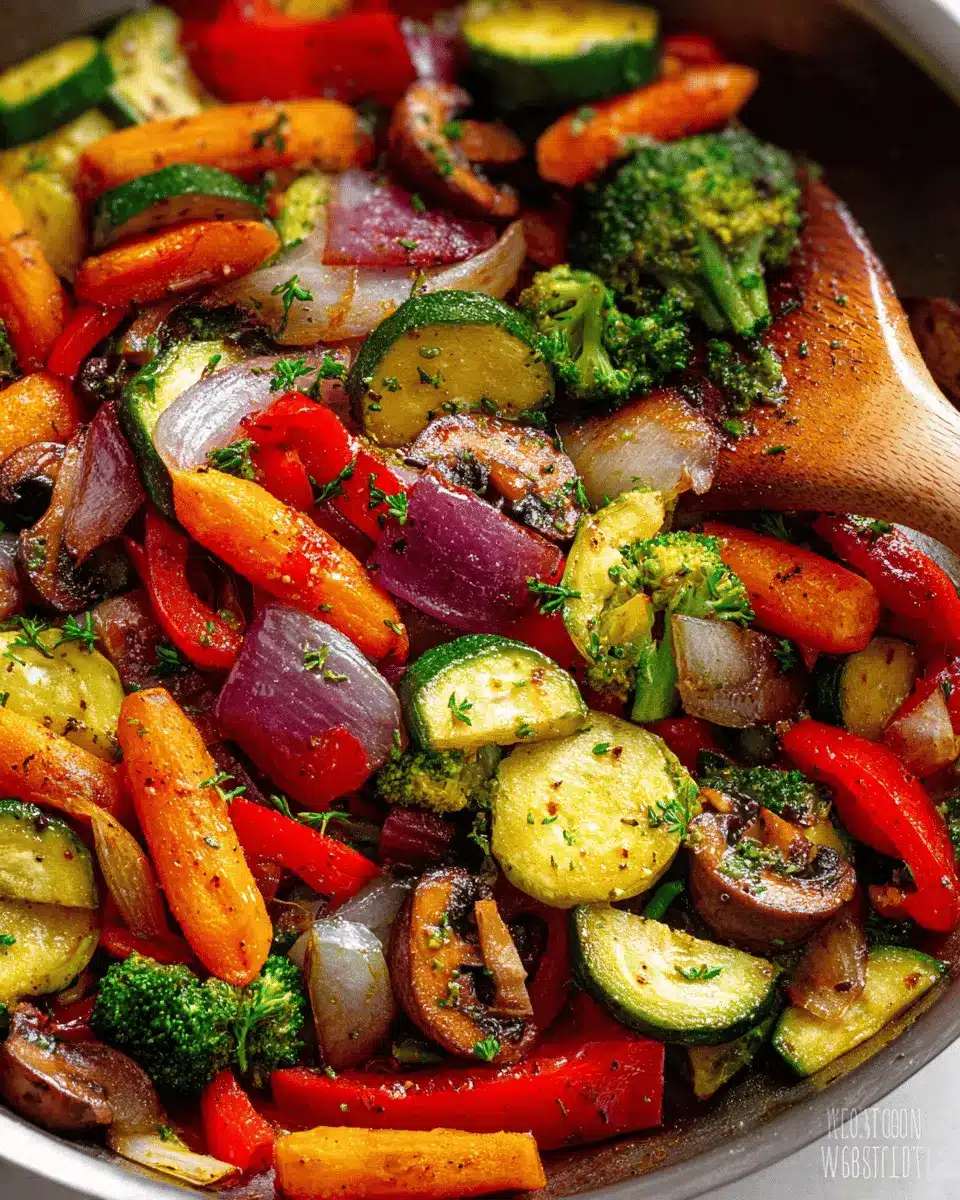
Variations on Sautéed Vegetables
Colorful Veggie Stir-Fry for an Asian Twist
Transform your sautéed vegetables into a vibrant Asian stir-fry by incorporating ingredients like snow peas, bok choy, and water chestnuts. For a punch of flavor, toss in some ginger and a splash of soy sauce or sesame oil while cooking. Add crushed red pepper flakes for a spicy kick. Serving this mix over brown rice or quinoa adds a satisfying base that makes it a complete meal, perfect for busy weeknights.
Herb-Infused Sautéed Vegetables for Extra Flavor
Elevate your sautéed vegetables with the addition of fresh herbs. Experiment with basil, thyme, or even rosemary to bring a new dimension to your dish. A squeeze of lemon juice right before serving can brighten flavors, while adding depth to your meal. For a creamy touch, a dollop of Greek yogurt or pesto mixed in can turn your vegetable sauté into an enticing medley.
For more inspiration, check out this guide to herbs and vegetables for pairing ideas!
Cooking Tips and Notes for Sautéed Vegetables
How to Achieve the Perfect Texture
To get that ideal crisp-tender texture in your sautéed vegetables, start with high heat and keep veggies cut uniformly. This ensures even cooking. Begin with denser vegetables like carrots and onions, adding softer ones like zucchini towards the end. For added flavor, consider finishing with a splash of lemon juice or a sprinkle of Parmesan cheese.
Storage Tips for Leftovers and Meal Prep
For meal prep or storing leftovers, let your sautéed vegetables cool before sealing them in airtight containers. They’ll stay fresh in the fridge for up to 3-5 days. If you want to extend their shelf life, consider freezing them for up to three months—just remember to flash freeze on a sheet pan first to prevent clumping! For more in-depth storage suggestions, check out resources like the USDA Food Safety guidelines.
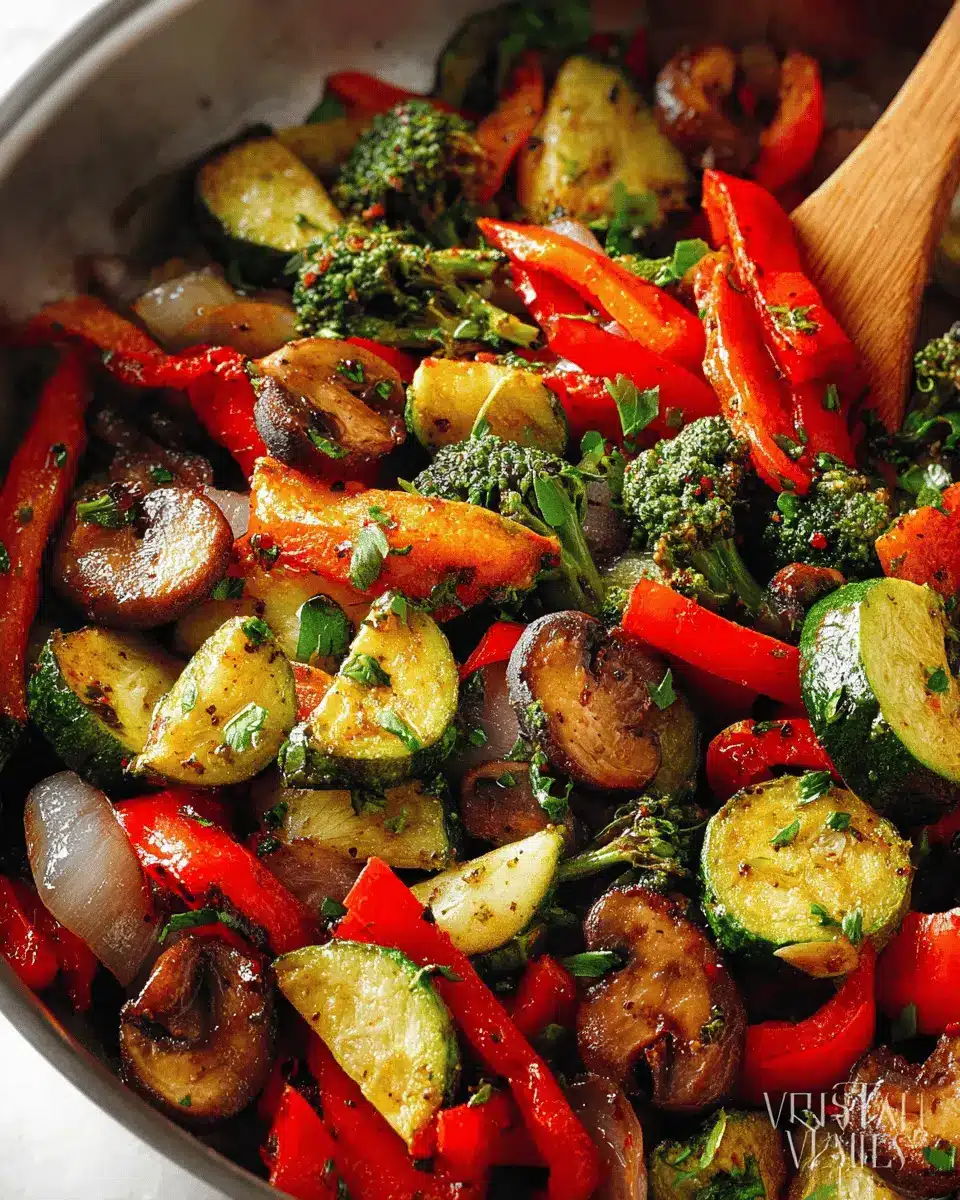
Serving Suggestions for Sautéed Vegetables
Pairing Sautéed Vegetables with Proteins
Sautéed vegetables are a versatile side that pairs wonderfully with a variety of proteins. Add them alongside grilled chicken or fish for a healthy, satisfying meal. If you're in the mood for something different, try serving them with Turkey Bacon or Chicken Ham for a savory twist. For a plant-based option, combine sautéed veggies with chickpeas or grilled tofu—they're sure to enhance each other's flavors beautifully!
Creative Ways to Serve Sautéed Vegetables
Looking to get a little creative? You can incorporate sautéed vegetables into your favorite dishes! Toss them into an omelet or mix them into pasta for added nutrition. They also work well as a topping for rice bowls or as a vibrant filling in tacos. Don’t be afraid to get inventive—these colorful veggies can elevate just about any meal!
For more inspiration, check out this guide on meal prep ideas to keep your weeknights delicious and stress-free!
Time Breakdown for Sautéed Vegetables
Preparation Time
With just 5 minutes of prep, you can have your fresh veggies cleaned, chopped, and ready to sauté. It's a quick and easy step that lets you dive right into the cooking!
Cooking Time
The actual cooking takes about 15 minutes. In this time, you’ll transform your colorful assortment of vegetables into a delicious, tender dish packed with flavor.
Total Time
In just 20 minutes, from start to finish, you'll have a vibrant dish of sautéed vegetables at your table. Perfect for a quick weeknight dinner or a delightful side for any occasion!
If you're looking for more tips on how to achieve the best results, check out this guide on vegetable sautéing techniques.
Nutritional Facts for Sautéed Vegetables
Calories
Sautéed vegetables are not only delicious but also quite low in calories. A serving of mixed sautéed veggies typically contains around 100 calories, making them a fantastic option for those watching their caloric intake.
Fiber Content
These colorful veggies are packed with fiber, providing about 3-5 grams per serving. This is essential for digestive health and can help you feel fuller for longer, making sautéed vegetables an excellent side dish or base for any meal.
Vitamins and Minerals
Sautéed vegetables are a powerhouse of vitamins and minerals, offering a wide range of nutrients. They’re rich in vitamin C, vitamin A, and potassium. By incorporating a variety of vegetables, like carrots and bell peppers, you boost the nutritional profile significantly, helping you meet your daily recommendations for essential micronutrients.
For more detailed guidance on the health benefits of specific choices, check sources like Healthline and USDA FoodData for comprehensive nutritional analysis.
FAQs about Sautéed Vegetables
What vegetables work best for sautéing?
When it comes to sautéed vegetables, the world is your oyster! Some of the best choices include:
- Broccoli: Provides a nice crunch and holds flavor well.
- Bell Peppers: Sweet and colorful, they add a vibrant look.
- Zucchini: Cooks quickly and absorbs flavors beautifully.
- Mushrooms: Great for umami richness and they caramelize nicely.
Feel free to mix and match based on what you have on hand or your taste preferences. Seasonal vegetables are always a fantastic choice for optimal flavor.
Can I use frozen vegetables for sautéing?
Absolutely! Frozen vegetables can be a convenient option. Just remember to thaw and drain excess moisture before sautéing to achieve that perfect texture. If you’re in a pinch, they still provide great taste and nutrition!
How can I add more flavor to my sautéed vegetables?
To elevate your sautéed vegetables, try:
- Fresh herbs: Basil and thyme add a delightful touch.
- Spices: A sprinkle of cumin or chili flakes can introduce warm flavors.
- Acid: A squeeze of lemon juice or a splash of vinegar brightens everything up.
Experimenting with these additions can turn a simple side dish into a flavor-packed delight!
Conclusion on Sautéed Vegetables
Embracing Homemade Sautéed Vegetables for a Healthier Lifestyle
Sautéed vegetables are not only quick to prepare but packed with nutrients that support your well-being. By embracing this easy method, you can explore new flavors, tailor the dish to your tastes, and contribute to a healthier lifestyle. Say goodbye to takeout and hello to vibrant, homemade goodness!
For more cooking inspiration, check out Wholesome Yum's recipe collection.
Sauteed Vegetables
Equipment
- Large skillet
Ingredients
- 2 tablespoon Olive oil
- 0.5 large Red onion cut into 1-inch pieces, layers separated
- 2 medium Carrots sliced thinly
- 1 large Red bell pepper cut into strips
- 1 cup Broccoli cut into medium florets
- 1 cup Cauliflower cut into medium florets
- 1 cup Cremini mushrooms sliced
- 1 medium Zucchini sliced ¼ inch thick
- 2 tablespoon Unsalted butter
- 2 cloves Garlic minced
- 0.5 teaspoon Sea salt to taste
- 0.25 teaspoon Black pepper to taste
- 1 Fresh parsley optional, for garnish
Instructions
- Heat olive oil in a large skillet over medium-high heat, until shimmering.
- Add the carrots and onions. Cook for 5-7 minutes, stirring occasionally, until softened.
- Add the bell peppers, broccoli, cauliflower, mushrooms, and zucchini. Cook for 6-8 minutes, stirring occasionally, until the vegetables are just barely crisp tender and starting to brown.
- Reduce heat to medium-low. Push the veggies to the sides of the pan, making an open space in the center. Add the butter and wait for it to melt. Add the minced garlic to the butter and sauté for about 1 minute, until fragrant.
- Once garlic is aromatic and just starting to brown, stir everything together and remove from heat. Season with salt and pepper to taste. Stir gently until the butter is absorbed into the veggies. Garnish with fresh parsley if desired.




Leave a Reply