
Introduction to Chef John's No-Knead Ciabatta
When you think of baking bread, the image of kneading dough for hours may spring to mind — but what if I told you that Chef John's No-Knead Ciabatta completely changes the game? This recipe combines simplicity with deliciousness, making it perfect for young professionals who want to enjoy homemade bread without sacrificing their precious time.
Imagine coming home after a busy day, and while you’re unwinding, you have a loaf of ciabatta rising on your kitchen counter. All it takes is a little prep — about 20 minutes — and then you let the dough work its magic. You’ll have a crusty, airy loaf ready for dinner or that perfect accompaniment to your next pasta dish!
Plus, with only a few ingredients found in most kitchens — like bread flour, yeast, and water — you likely won’t need a special trip to the store. For an extra boost of flavor, consider adding herbs or spices you love, turning your loaf into something uniquely yours.
Curious about how this no-knead technique works? It’s all about patience and time, allowing the dough to develop flavor and structure while you live your life. What’s not to love about that?
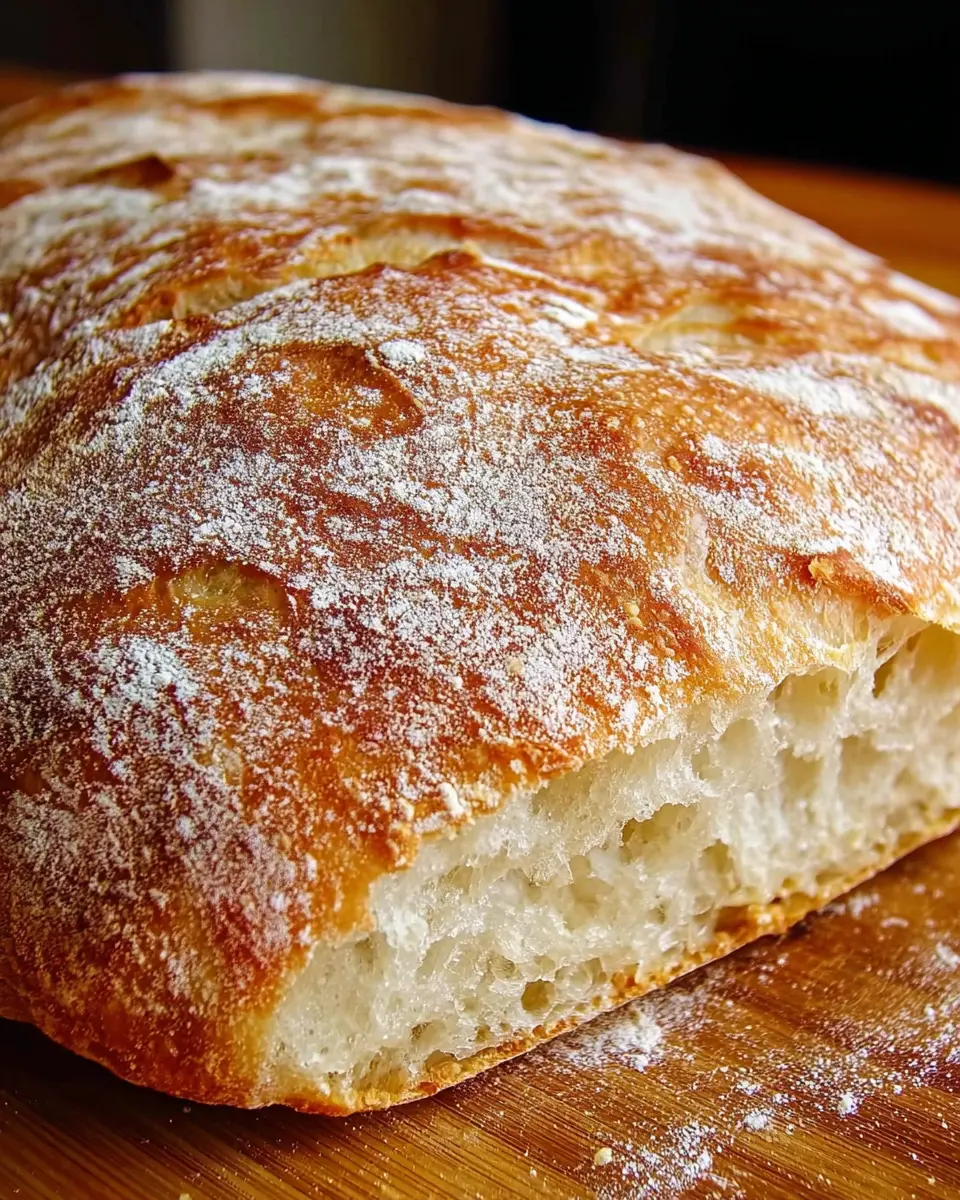
Ingredients for Chef John's No-Knead Ciabatta
When diving into the world of bread-making, Chef John's No-Knead Ciabatta provides a fantastic starting point. Here’s a look at the essential and optional ingredients that will make your homemade ciabatta a delightful experience.
Essential ingredients for homemade ciabatta
To craft this rustic loaf, you'll need:
- 3 ½ cups white bread flour: This is the foundation of your bread, helping achieve that iconic chewy texture. For a gluten boost, the protein content in bread flour makes a notable difference.
- ½ cup whole wheat bread flour: Offering nuttiness and added fiber, this flour enriches both flavor and nutrition.
- 1 ½ teaspoons salt: Essential for flavor, be sure to use kosher or sea salt for the best results.
- ¼ teaspoon active dry yeast: This tiny ingredient is mighty—making the dough rise beautifully overnight.
- 2 cups water: Warm water helps activate the yeast, ensuring a well-risen loaf.
- 1 tablespoon olive oil: A splash of richness that complements the crust.
- 2 tablespoons cornmeal: Used for dusting, it adds a lovely texture to your pan.
Optional ingredients for variations
Feel adventurous? Here are a few optional ingredients you can incorporate for a tasty twist:
- Herbs and spices: Consider rosemary, thyme, or even crushed garlic to infuse flavors.
- Cheese: Adding grated Parmesan or mozzarella to the dough can elevate your ciabatta to new savory heights.
- Seeds: Experiment with sunflower or sesame seeds for added crunch and nutrition.
Curious to see how others have tailored their versions? Check out this thread on bread-making for inspiration!
This list is just a starting point, but with quality ingredients and a bit of creativity, your Chef John's No-Knead Ciabatta is sure to impress everyone at the table. Enjoy your baking journey!
Preparing Chef John's No-Knead Ciabatta
Creating Chef John's No-Knead Ciabatta is more than just a baking project; it’s a wonderful journey that rewards you with an aromatic, crusty, and delicious loaf of bread. This recipe requires minimal effort and boasts those impressive air pockets that are characteristic of true ciabatta. Let’s break down the preparation so you can bring this delightful bread into your kitchen!
Gather Your Ingredients
Before we dive into the mixing and baking, let’s ensure you have everything you need. Here’s a quick list of ingredients to gather:
- 3 ½ cups white bread flour
- ½ cup whole wheat bread flour
- 1 ½ teaspoons salt
- ¼ teaspoon active dry yeast
- 2 cups water
- 1 tablespoon olive oil
- 2 tablespoons cornmeal
Having everything ready will streamline the process and make your baking experience more enjoyable. If you are interested in more tips about essential baking ingredients, check out King Arthur Baking for great resources.
Mix the Dough
Now, it’s time to mix! In a large bowl, combine the white and whole wheat flours with the salt and yeast. Gradually add the water while stirring, until a wet, sticky dough form. The mixing should take about five minutes. It will be fairly soft and not the traditional smooth texture we often associate with kneaded dough. This is the beauty of this no-knead method!
First Rise – Patience Pays Off
Cover the bowl with foil, and let the dough rise at room temperature for about 18 hours. Yes, 18 hours! This long fermentation is what gives Chef John's No-Knead Ciabatta its distinctive flavor and texture. The dough will bubble and expand, which means you’re on the right track! Keep it in a cool spot—too much warmth can speed up the process too much.
Shape the Dough
Once the first rise is complete, it’s time to shape your dough. Using a spatula, punch it down gently and fold it a few times to deflate it slightly. Lightly grease a heavy-rimmed baking sheet with olive oil, then sprinkle cornmeal generously on top.
On a floured surface, gently turn the dough out. The next step is crucial—stretch and pull the dough into a long rectangular shape (12 to 15 inches suggested). Lift the plastic wrap holding the dough and flip it onto the prepared pan. Reshape it if necessary, dust with flour, and cover with a light towel. Let it rise for about two hours—this is where those signature air pockets will form!
Final Rise Before Baking
While you patiently await the final rise, preheat your oven to 425°F (220°C). It’s important that your oven is nice and hot to achieve that heavenly crust.
Baking the Ciabatta
Finally, the moment has come! Bake your dough in the preheated oven for 35 to 45 minutes or until it’s a gorgeous golden brown. The aroma will be irresistible, and the texture will be soft and chewy inside with a delightfully crisp crust outside.
Once baked, let the bread cool slightly before slicing—if you can resist the temptation! The reward for your patience will be a ciabatta that is perfect for sandwiches, or as a side to your favorite dish. Enjoy the fruits of your labor and share the experience with friends!
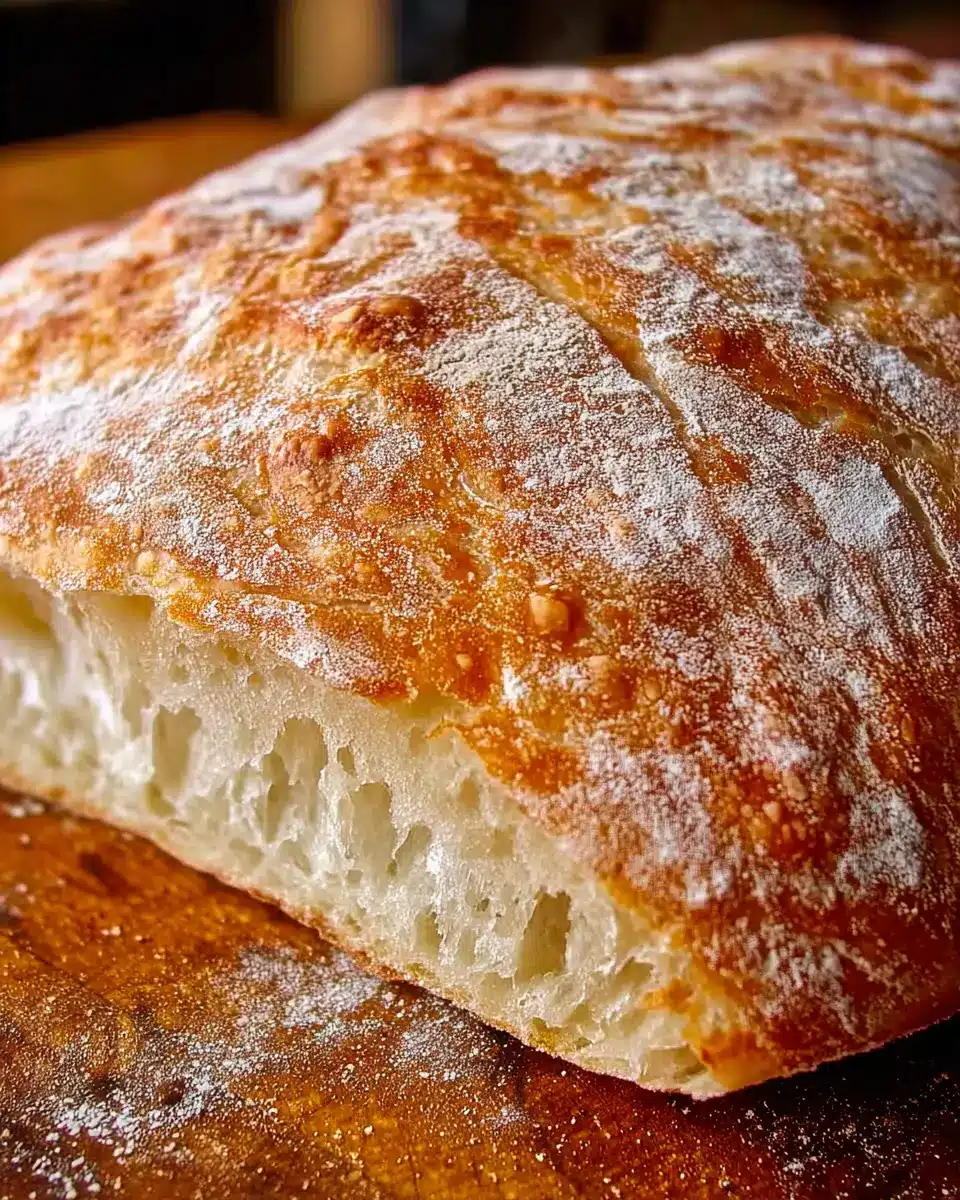
Variations on Chef John's No-Knead Ciabatta
When it comes to Chef John's No-Knead Ciabatta, there’s room for creativity! Here are a couple of fun variations to enhance your bread-making experience.
Adding Herbs and Spices to Flavor
Why not jazz things up with fresh herbs or spices? Try mixing in rosemary, thyme, or a pinch of red pepper flakes during the initial mixing stage. These additions elevate the flavor profile and can transform a simple loaf into a gourmet experience. For a twist, consider using garlic powder or onion powder for that savory depth!
Incorporating Cheese for a Twist
Adding cheese is another fantastic way to personalize your ciabatta. Simply fold in feta, parmesan, or mozzarella chunks right before the second rising. This not only introduces delightful pockets of flavor but also enhances the bread's texture, creating a crusty exterior, with a gooey, cheesy interior. Imagine biting into warm ciabatta with melted cheese—pure heaven!
These variations allow you to tailor Chef John's No-Knead Ciabatta to your taste buds while keeping the original integrity. So, what flavors will you experiment with?
Cooking notes for Chef John's No-Knead Ciabatta
Temperature and humidity impacts dough
When making Chef John's No-Knead Ciabatta, keep in mind that dough behavior can shift based on temperature and humidity levels in your kitchen. In warmer, humid conditions, the dough will rise faster, while cooler, drier air may slow things down. Always let the dough rise until it's doubled in size but trust your instincts—this might take longer or shorter than stated. Using a kitchen thermometer can help ensure you're in the right range!
Common pitfalls and how to avoid them
Many home bakers struggle with dough consistency. Avoid overly dry dough by ensuring you’re measuring flour accurately—using a scale is a great idea. If the dough seems too wet, resist the urge to add too much flour; instead, use more flour on your work surface to handle it. Finally, a gentle touch is key: when shaping the dough, handle it carefully to prevent deflating all that lovely air you’ve cultivated during the rise.
For more tips, check out King Arthur Baking or Breadtopia for additional resources and troubleshooting advice!
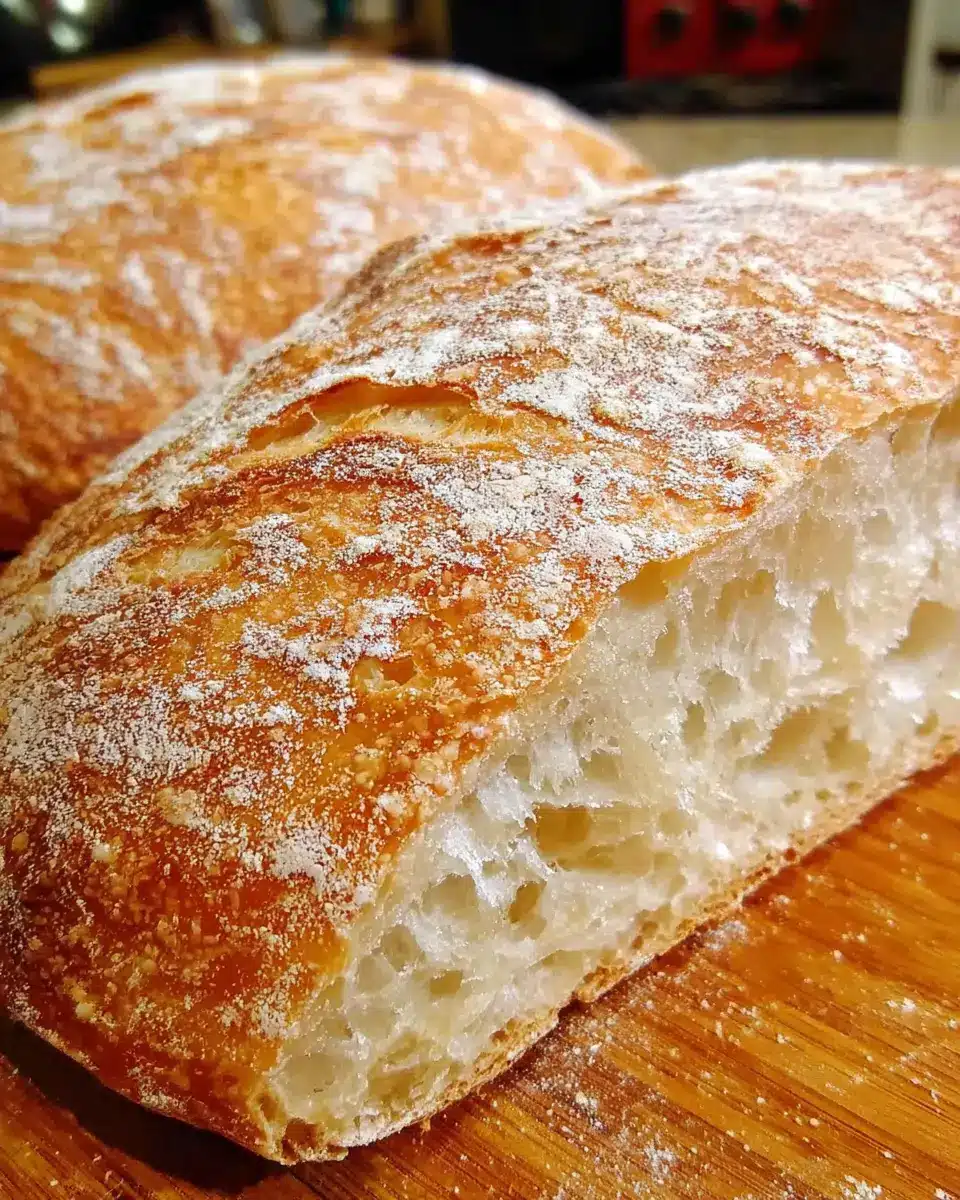
Serving suggestions for Chef John's No-Knead Ciabatta
Enjoying it with butter or olive oil
One of the simplest yet most delightful ways to enjoy Chef John's No-Knead Ciabatta is by slathering it with creamy butter or a drizzle of quality olive oil. The warm bread absorbs the richness beautifully, making each bite a comforting experience. For a twist, try infusing your olive oil with garlic or herbs to elevate the flavor profile.
Perfect pairings with dips and spreads
This ciabatta also shines when paired with dips and spreads. Consider classic favorites like hummus, tzatziki, or a vibrant bruschetta mix. The crunchy crust and airy interior provide the perfect base for any topping. For a heartier option, combine it with turkey bacon or chicken ham sandwiches—delicious for a light brunch or an easy lunch. Don't forget to explore this guide on the best bread pairings for more inspiration!
Tips for making perfect Chef John's No-Knead Ciabatta
Importance of measuring ingredients correctly
To achieve the perfect ciabatta, precise measurements are essential. Using a kitchen scale can help you nail down the exact amount of flour and water, ensuring your dough has the right consistency. Even slight variations can lead to unexpected results, like a too-dense or overly sticky bread. Consider visiting King Arthur Baking for tips on measuring and understanding ingredient properties.
The role of resting time in flavor development
Don't rush through the resting period! Allowing the dough to rise for a full 18 hours develops incredible flavors that make Chef John's No-Knead Ciabatta truly special. This slow fermentation process enhances the bread’s natural taste and texture. Think of it like letting a good stew simmer; the magic happens over time! Plan ahead, and you’ll be rewarded with a crusty loaf that has a delightful, open crumb.
Time Breakdown for Chef John's No-Knead Ciabatta
Baking Chef John's No-Knead Ciabatta might seem intimidating, but it’s all about patience and timing. Here’s how the time breaks down for you:
Preparation Time
You’ll need about 20 minutes to gather your ingredients and mix them into a wet, sticky dough. This is an easy step that anyone can tackle!
Rising Time
Leave your dough to rise for 18 hours at room temperature. Yes, you read that right! The long rising time is what brings out that incredible flavor and texture, making your ciabatta truly special.
Baking Time
Once your dough has risen, prepare for 35 to 45 minutes of baking. This step is where the magic happens, transforming your dough into a golden, crusty loaf.
Total Time
From start to finish, including all rising and baking, you’re looking at 20 hours and 55 minutes. It sounds like a lot, but most of that time is hands-off, just letting nature do its thing.
Enjoy this wonderfully rewarding bread-making experience! For more great tips on artisan bread, check out resources like King Arthur Baking or The Bread Lab.
Nutritional Information for Chef John's No-Knead Ciabatta
When you bake Chef John's No-Knead Ciabatta, you're not just creating a delicious loaf; you're also indulging in a treat that's surprisingly wholesome. Here’s a closer look at the nutritional breakdown:
Calories per Serving
Each slice of this ciabatta contains approximately 273 calories. This makes it a fantastic choice for a satisfying snack or part of a balanced meal.
Protein Content
With about 9 grams of protein per serving, this ciabatta packs a punch. Protein is essential for repairing tissues and keeping you energized throughout the day, making it a great addition to your diet.
Sodium Levels
It's worth noting that the sodium content is around 439 mg per serving. While this is on the higher side, pairing it with fresh ingredients, such as homemade spreads, can help balance it out. Consider using lower-sodium toppings to enjoy this bread without worrying!
For more insights about dietary needs, the American Heart Association provides great resources on sodium intake and heart health. Enjoy baking and savoring each slice of your ciabatta!
FAQs about Chef John's No-Knead Ciabatta
How can I store leftover ciabatta?
To keep your Chef John's No-Knead Ciabatta fresh, store it in a paper bag at room temperature. This helps maintain its delicious crust. If you want to keep it longer, consider wrapping it in plastic wrap once fully cooled, then placing it in an airtight container. Avoid refrigerating, as that can dry the bread out.
Can I freeze ciabatta, and how should I do it?
Absolutely! Freezing ciabatta is a great way to enjoy it later. Slice the bread first, then wrap each slice in plastic wrap. Place the wrapped slices in a freezer-safe bag or container. For best quality, consume within three months. When you're ready to enjoy, simply thaw at room temperature.
What’s the best way to reheat ciabatta?
Reheating your Chef John's No-Knead Ciabatta can restore its delightful crunch. Preheat your oven to 375°F (190°C). Place the ciabatta directly on the rack for about 10 minutes, ensuring it stays nice and crispy. Alternatively, you can use a toaster oven for similarly tasty results!
For further details on bread preservation, check out resources from the Bread Bakers Guild.
Conclusion on Chef John's No-Knead Ciabatta
In summary, Chef John's No-Knead Ciabatta transforms your kitchen into a bakery with minimal effort. With its light, crispy crust and tender interior, this recipe is a game-changer for bread enthusiasts. So roll up your sleeves, embrace the long rise, and enjoy the delicious rewards of homemade ciabatta!
For more tips on baking bread, check out The Bread Baker's Apprentice.
Chef John's No-Knead Ciabatta
Equipment
- large bowl
- heavy-rimmed baking sheet
- Plastic wrap
Ingredients
- 3.5 cups white bread flour
- 0.5 cups whole wheat bread flour
- 1.5 teaspoons salt
- 0.25 teaspoon active dry yeast
- 2 cups water
- 1 tablespoon olive oil
- 2 tablespoons cornmeal
Instructions
- Place white and wheat flour in a large bowl. Add salt, yeast, and water. Mix until a wet sticky dough comes together, about 5 minutes. Scrape down sides of bowl. Cover with foil. Allow dough to rise for 18 hours at room temperature. It should not be too warm.
- Punch dough down with a spatula and fold it over a few times.
- Lightly grease a heavy-rimmed baking sheet with olive oil. Sprinkle generously with cornmeal.
- Lightly spray a work surface with water. Place a long sheet of plastic wrap on the damp surface to hold it in place. Sprinkle plastic wrap with flour. Scrape the dough onto the floured surface. Sprinkle flour on top of the dough. Gently stretch and pull dough into a long, flat rectangular shape, 12 to 15 inches long. Bring plastic sheet to edge of prepared pan and flip the dough into the prepared pan. Reshape the dough, if necessary. Dust with flour. Cover with a light dry towel. Let rise about 2 hours.
- Preheat oven to 425 degrees F (220 degrees C).
- Bake dough in preheated oven until loaf is nicely browned, 35 to 45 minutes.



Leave a Reply